La casa editrice


DAUB (DeriveApprodi University Books) è un editore di saggistica universitaria e scientifica plurilingue, il cui campo di interessi privilegia gli approcci multidisciplinari di ampio respiro culturale (storia, filosofia, linguistica, critica letteraria, pedagogia, antropologia, psicologia, sociologia, scienza politica, economia e diritto, architettura).
Oltre alle collane già strutturate e riviste (Biblioteca del Rinascimento e del Barocco, Memoria, Identità Differenza, Musei della Traduzione, Schede Umanistiche etc.), pubblichiamo monografie, atti di convegno, collettanee, strumenti didattici di diversa area tematico-scientifica e in differenti supporti.
A seconda delle necessità di Autori e Dipartimenti, vengono rilasciati volumi in Open Access (Green/Gold), si assegnano DOI e producono volumi anche in versione digitale o ebook.
In quanto marchio di proprietà di DeriveApprodi, DAUB si serve della promozione di NW e della distribuzione di Messaggerie Libri.
Potete sottoporci nuove proposte di volumi, collane, idee o collaborazioni, scrivendo al seguente recapito: universitybooks@deriveapprodi.org
CONTATTI
universitybooks@deriveapprodi.org
Partita IVA: 05514561009
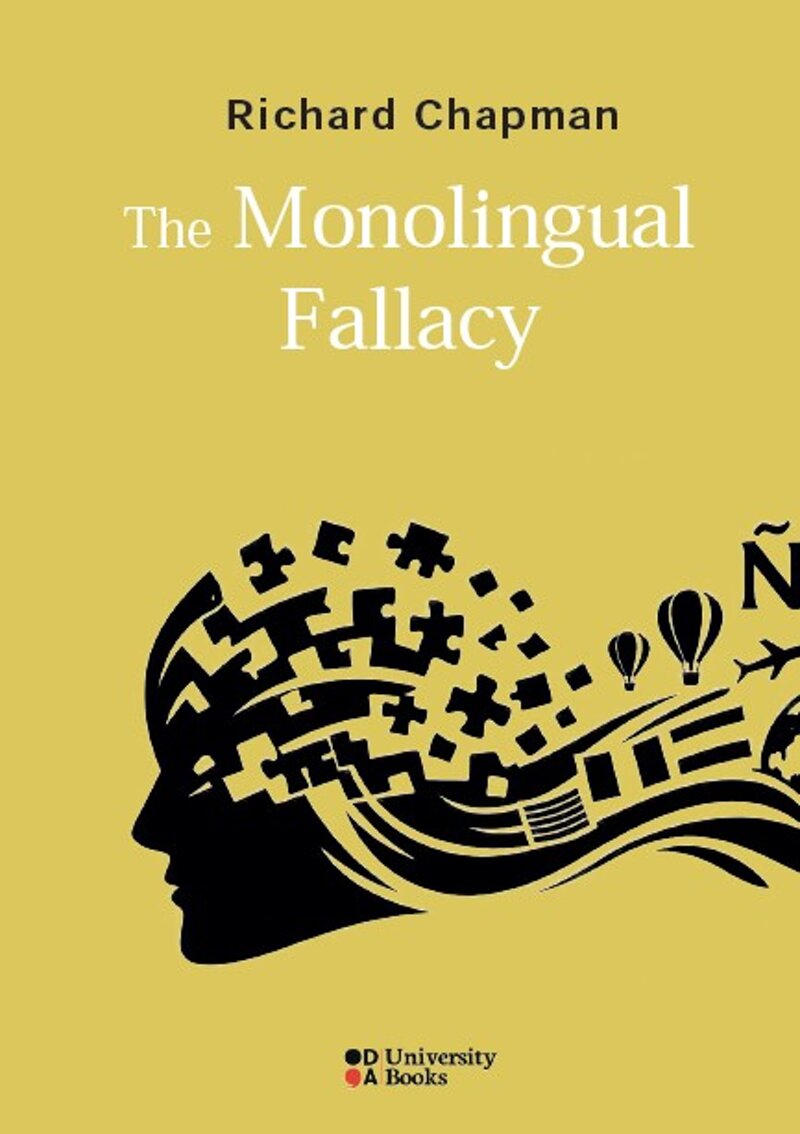
The Monolingual Fallacy
Universitariae
€22.80 (In Stock)
The Monolingual Fallacy takes its cue from the concept described by Robert Phillipson in his 1992 work, Linguistic Imperialism, but expands the idea in various directions so as to challenge many widely held assumptions about languages and the way we use and learn them. After a brief examination of the limitations of monolingual pedagogy, the book attempts to address the significant political and theoretical issues embedded within our habitual use of language and our perceptions of what languages can and cannot do.
The modern nation state, postmodern means of communication and current and highly influential discursive patterns are seen to have been contained and constrained within deep monolingual assumptions, and this, it is suggested, is unlikely to lead to sustainable ways of interacting, both globally and personally, in our present moment of crisis. The link between language and social and political behaviour is highlighted, as is the need to steer traditional linguistic investigation towards a richer, more historical mode of analysis.
It is suggested that only a plurilingual approach to the examination of discourse can claim to be exhaustive, and that recognising the complexity of the linguistic resources we all possess and have at our disposal is the prerequisite of a full life.
Author
Richard Chapman is Researcher in English Language in the Department of Human Sciences at the University of Ferrara. A first degree in history from Cambridge University gives a cultural and anthropological flavour to his linguistic research, while extensive experience in teacher training results in a pragmatic bent in his approach to language. Research interests include testing and assessment, pragmatics, corpus linguistics, current developments in teaching and language change. His most recent publications include Sustaining Languages and the Language of Sustainability. The Need for Change (2022), Technology, techne, lexis. Teaching English in a transformed world (2023) and Translation as Kintsugi (2025).
VIA ANDREA COSTA 202
- 40134 - BOLOGNA (BO)